

I woke up at 8:34 this morning. I’m a little embarrassed to admit that, and I’m not sure why. It’s Saturday, I’m on summer break, I didn’t have anything pressing to wake up for, and I stayed up reading until about 1 AM. I am a night owl so during the school year, I also have a tendency to go to bed very late. The difference is, my alarm goes off at 5:00 on school mornings so I can work out before getting ready. I function on four or five hours of sleep a night from August – May. I definitely love the slower pace – and the increase in sleep – that comes in June and July.
The languid summer days are relaxing and help to replenish my mental bandwidth. These days, they’re a mix of Ph.D. work, writing, reading, working on Write2Succeed, trying to get outside as much as possible, and, yes, professional development.
I can’t be the only teacher thinking about the 2025-2026 school year already. That’s just how I function. The planning I do during these slow, warm, summer days will make my life so much easier once the first bell rings on Day 1. I realize there are those who are the opposite. They choose not to work at all during the summer break, and I am really impressed by those teachers! There’s no wrong way for educators to spend their summer break. It’s a personal preference.
If you’re like me and you include PD into your summer schedule, it probably looks a little different than it does during the school year. Maybe it’s that book you’ve been wanting to read, or a self-paced AI webinar you actually have time to sit through, or learning a new writing strategy to help diverse learners without a stack of essays waiting to be graded.
Pushing pause for two months on all the things we do during a school day, certainly frees up a lot of time to concentrate on PD.
I attended the CUE Conference in March and during a particularly engaging workshop, heard about an AI symposium during the summer. I registered on the spot. Now, if you work for a school district, you know there are steps and procedures for getting conferences approved. In my flurry of excitement, I did none of those things. I’d planned on covering the hotel myself, but as it got closer, I made the decision to attend one of the three days, and skip the hotel cost. Here’s how I made it summer fun-worthy. I checked Google to see how close the nearest beach was to the campus where the symposium was located. I drove out in the morning, attended the (extremely informative) workshop and, when it was over at 1:30, I spent the rest of the day at the beach. Hello, professional development!
What I learned at the workshop is for an entirely different post – I’m looking forward to sharing some great AI tools for the writing classroom – but what I learned by mixing work with relaxation, is that the balance is essential.
So, if you are determined not to think about lesson plans, SMART goals, standards, or pacing guides until the end of summer, I am cheering you on! If you’re okay letting a little work slip into your summer relaxation, I’m here for it!
If you want to dip your toe into the pool of PD this summer, but you’re not exactly sure what that looks like, let me suggest some great reading. Below are a few of my favorites.


The Big Picture by Dennis Littky
This is one of the most inspiring educational books I’ve read. As a brand new teacher, it lit a fire for me, and I return to it whenever I sense my flame going out. Littky turned his forward-thinking ideas about what education should look like into a student-centered model for schools.
Designing Schools by Dr. Sabba Quidwai
At the risk of name dropping, David and I know Sabba, and she knows what she’s talking (and writing) about! In the rapid evolution of AI in the classroom, it’s easy to feel overwhelmed and worried about being replaced. Sabba writes about how irreplaceable teachers are and how, by working with AI, we have more time to do the things we enjoy about teaching.
Infinite Education by Dan Fitzpatrick
This is David’s recommendation, and he’s not wrong! It won’t work to tell school staff that they need to integrate AI without taking the steps to support AI literacy and implementation. Fitzpatrick is conversational and clear in his message and suggestions, and this book reminded me that really exciting, impactful things are happening with AI in education.
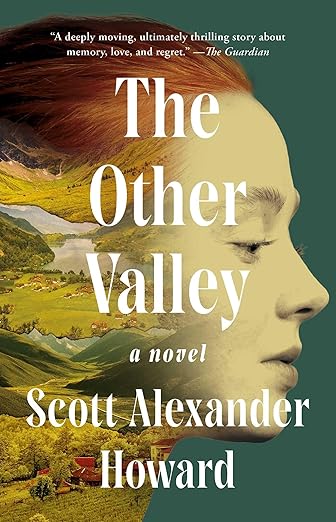
The Other Valley by Scott Alexander Howard
This is fiction and, while it’s geared toward young adults, it is relatable to all ages. In fact, I love the writing so much, that I’ve added it to my curriculum for the coming school year. It allows for academic discourse, debate, engaging writing projects, text-to-world and text-to-self connections, and personal reflection. It’s a beautiful story.
 Write2Succeed